

Key Takeaway:

Why Referral Growth Today Requires More Than Relationship Visits
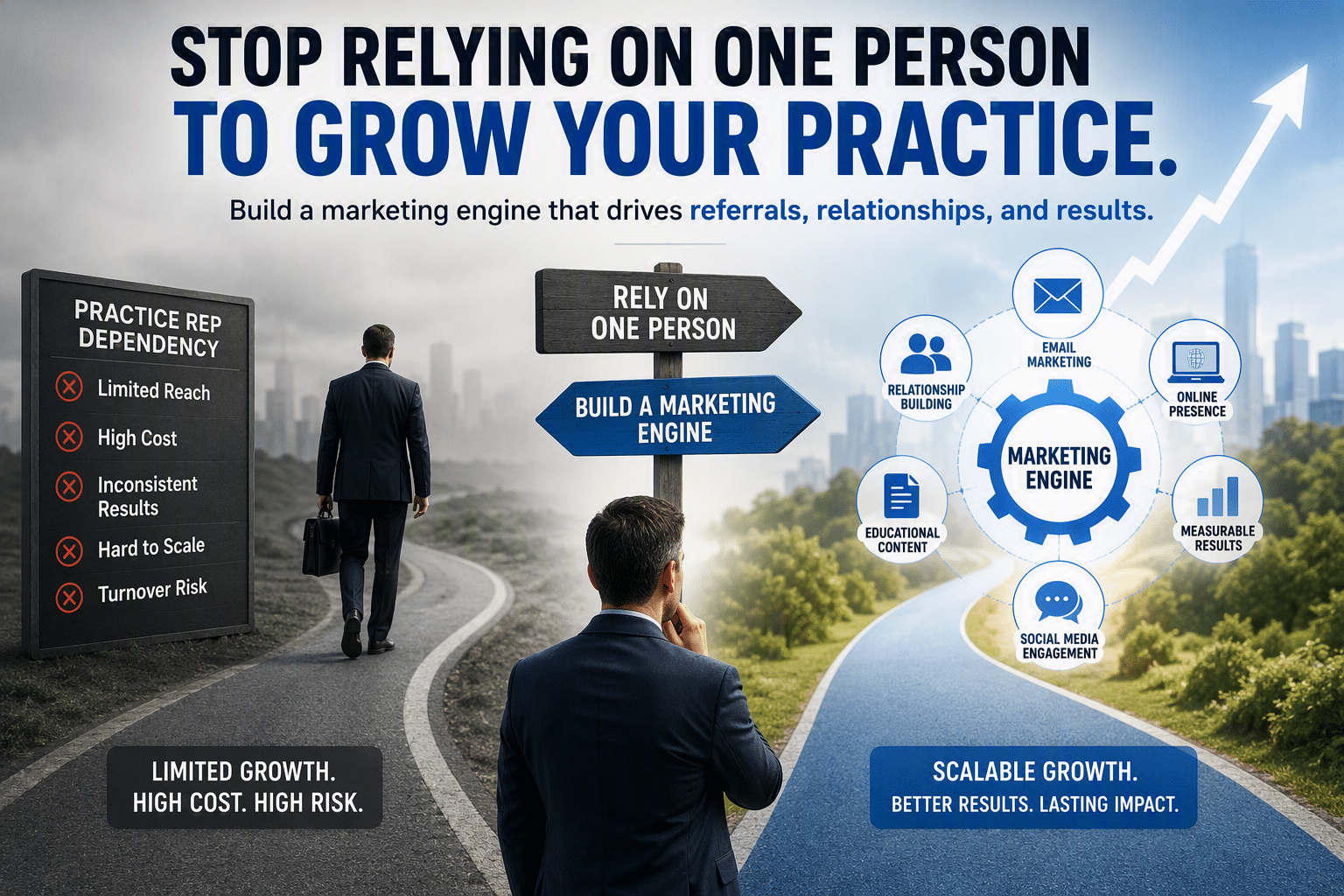
For decades, physical therapy practices have been advised to grow through relationship-building with physicians, case managers, and referral sources. As a result, many clinic owners have considered hiring a practice representative to visit referral sources, strengthen relationships, and generate referrals on the clinic’s behalf.
At first glance, this approach makes sense. A dedicated representative can increase visibility, maintain contact with referral sources, and serve as an ambassador for your practice.
The real question, however, is not whether practice representatives provide value.
The question is:
Should a practice representative be the primary engine driving your referral growth?
For most modern practices, the answer is no.
The Biggest Problem: Referral Sources Have Changed
Healthcare marketing has evolved dramatically over the past decade.
Today’s physicians, patients, and healthcare decision-makers are overwhelmed with information and have less time than ever before. A representative stopping by periodically is no longer enough to consistently influence referral behavior.
If your growth strategy depends heavily on the number of offices your representative can visit each day, you’re limiting your practice’s reach to the capacity of a single employee.
That creates a growth ceiling.
A marketing system, on the other hand, can communicate with hundreds or thousands of contacts consistently without requiring additional staff time.
Four Reasons Practice Representatives Often Deliver Lower ROI Than Expected
1. Their Reach Is Limited
Even exceptional representatives have finite time.
There are only so many physician offices they can visit, conversations they can have, and relationships they can maintain each week.
As your referral network grows, maintaining consistent contact becomes increasingly difficult.
Modern marketing systems allow clinics to stay in front of referral sources through email, educational content, patient success stories, newsletters, social media, and targeted outreach simultaneously.
The result is greater consistency and significantly broader reach.
2. They Are Expensive to Scale
A practice representative’s compensation extends far beyond salary.
Consider the total investment:
- Salary and payroll taxes
- Benefits
- Mileage and travel expenses
- Training and onboarding
- Technology and equipment
- Management oversight
When clinics calculate the true cost of maintaining a representative, the investment is often much larger than initially expected.
Meanwhile, a well-structured marketing system can deliver ongoing communication and relationship-building at a fraction of the cost per contact.
3. Your Message Becomes Dependent on One Person
Every interaction your representative has reflects directly on your brand.
A great representative can create opportunities.
An ineffective representative can damage relationships, create confusion, or simply fail to communicate your value effectively.
Even when performance is acceptable, practice owners have limited visibility into every conversation taking place in the field.
With marketing-driven communication, your messaging remains consistent, measurable, and under your control.
4. Staff Turnover Creates Risk
One of the most common frustrations clinic owners experience is investing months or years developing a representative, only to have that employee leave.
When this happens, valuable relationships, knowledge, and momentum can leave with them.
Marketing assets, however, remain with your organization.
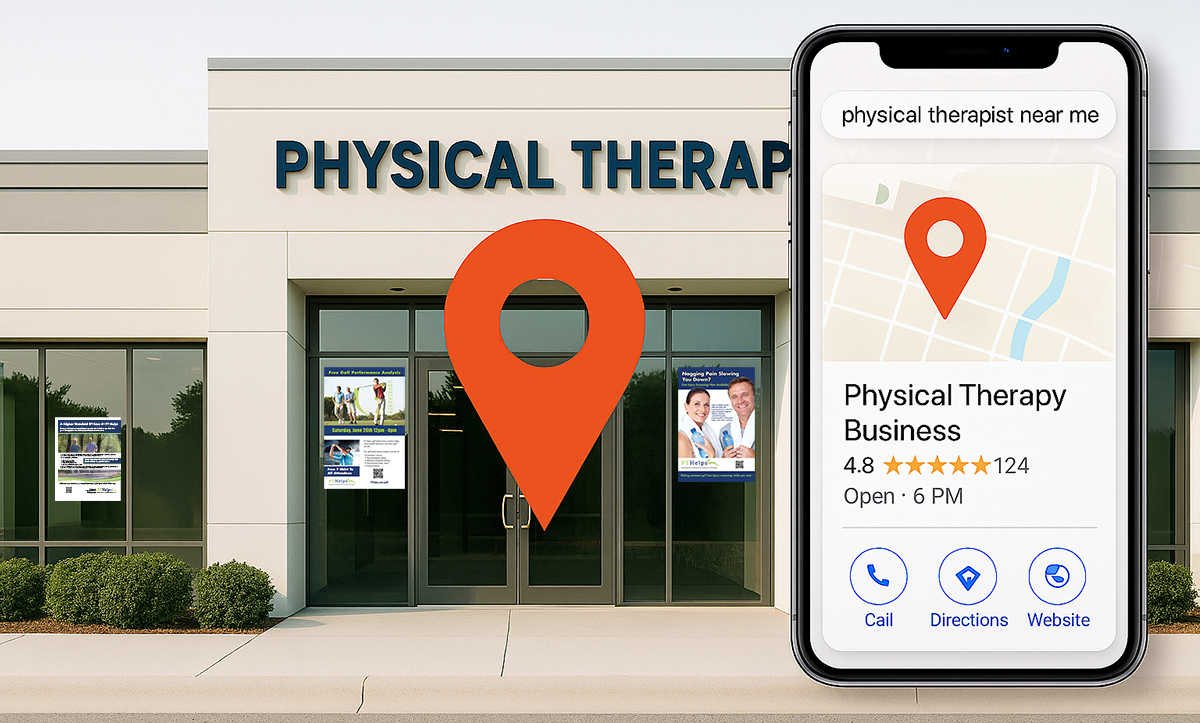
Your website, educational content, email campaigns, referral tools, reputation, and brand authority continue working regardless of staff changes.
Where Practice Representatives Fit Best
This is not an argument against practice representatives.
In fact, many successful practices benefit from having one.
The mistake occurs when practices expect the representative to generate demand by themselves.
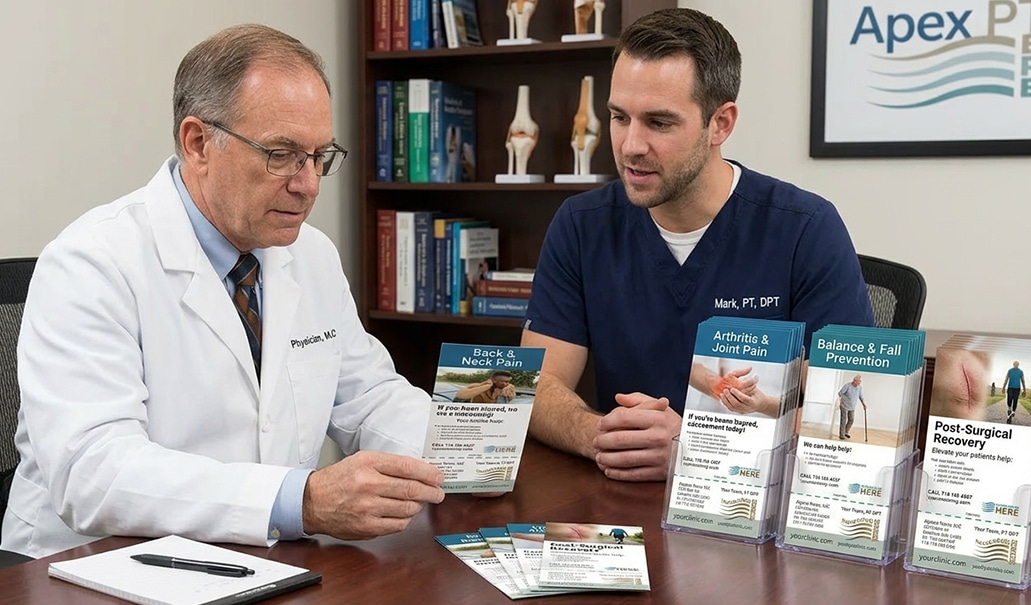
The most effective clinics use representatives as part of a larger marketing ecosystem.
In this model:
- Marketing creates awareness.
- Marketing nurtures relationships.
- Marketing reinforces credibility.
- Marketing keeps referral sources engaged.
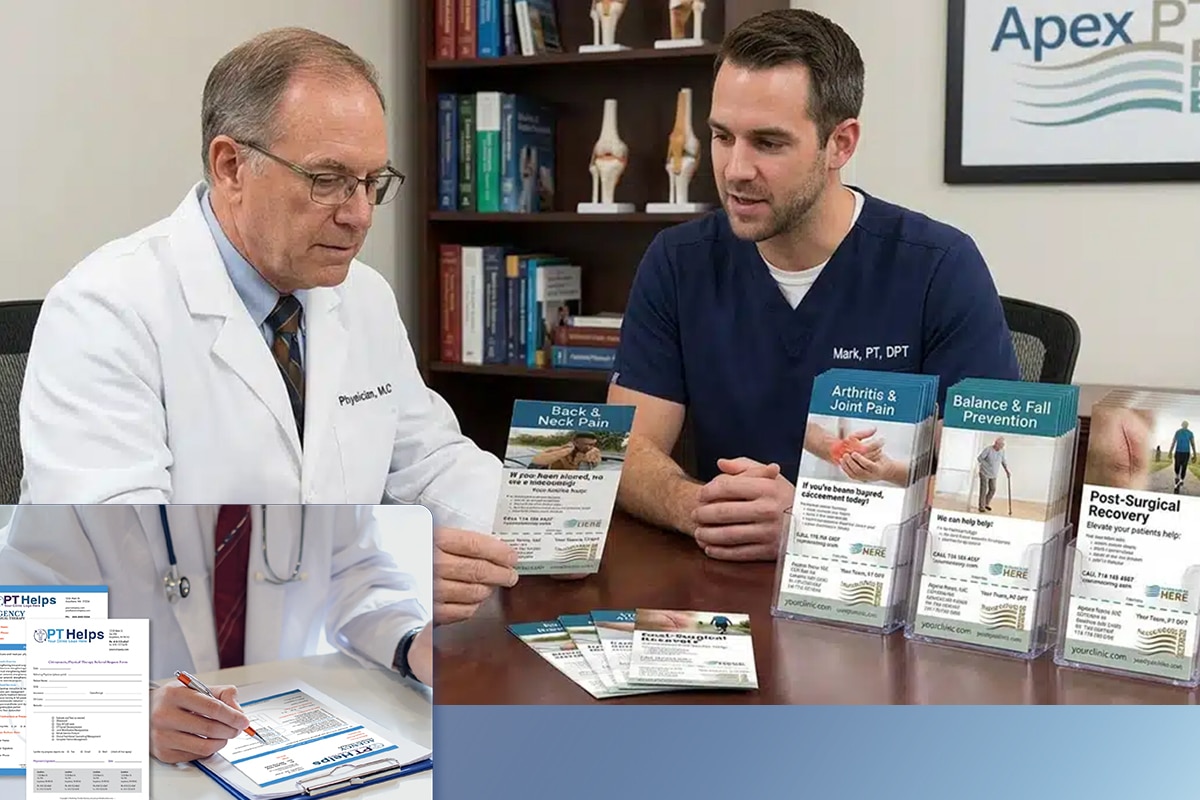
- Representatives strengthen high-value relationships and support strategic opportunities.
Instead of carrying the entire burden of growth, the representative becomes an amplifier of an already-functioning marketing system.
Build a Marketing Engine First
The highest-performing practices are not dependent on a single employee for growth.
They invest in systems that consistently communicate their value, educate referral sources, strengthen their reputation, and generate demand over time.
When those systems are in place, a practice representative can become a valuable asset.
Without them, the representative often becomes an expensive attempt to compensate for the absence of a true marketing strategy.
The goal isn’t to eliminate relationship-building.
The goal is to ensure that relationship-building is supported by a scalable marketing engine that works every day, whether a representative makes a visit or not.
Your marketing system should drive referral growth. Your practice representative should enhance it, not replace it.
About the Author















Leave A Comment
You must be logged in to post a comment.