
Marketing Systems and Support Designed for Independent Practices
PT Referral Machine is a system for building predictable referral momentum—designed to work with the realities of practice capacity, staff bandwidth, and real-world workflows.
A system-first approach to practice marketing.
Most practice marketing fails not because of effort, but because it’s implemented out of order. Tactics are introduced before the practice is ready. Tools are added without structure. Spend increases before risk is understood.
PT Referral Machine was built to reverse that sequence.
Our core system focuses on building marketing clarity first, then implementing only what can be supported, measured, and sustained—without requiring additional capital investment.
Rather than campaigns or one-off initiatives, PTRM provides a disciplined marketing framework that helps independent practices bootstrap growth through structure, consistency, and support.
This is how marketing becomes less risky—and how referral momentum is earned instead of chased.

A system-first approach to practice marketing.
Most practice marketing fails not because of effort, but because it’s implemented out of order. Tactics are introduced before the practice is ready. Tools are added without structure. Spend increases before risk is understood.
PT Referral Machine was built to reverse that sequence.
Our core system focuses on building marketing clarity first, then implementing only what can be supported, measured, and sustained—without requiring additional capital investment.
Rather than campaigns or one-off initiatives, PTRM provides a disciplined marketing framework that helps independent practices bootstrap growth through structure, consistency, and support.
This is how marketing becomes less risky—and how referral momentum is earned instead of chased.
A practical system, built for how practices actually operate.
Build the Foundation
We align the system to your reality before anything is deployed.
Referral momentum doesn’t come from activity alone—it depends on whether the practice is positioned, prepared, and internally aligned to support it. The foundation phase ensures the system fits your capacity instead of competing with it.
- Clarifying referral intent and priorities
- Assessing practice readiness and constraints
- Establishing core messaging and essential assets
What this prevents: fragmented efforts, misaligned expectations, and systems that stall under day‑to‑day pressure.
Implement the System
We install workflows that make referrals easier to generate and manage.
Once the foundation is set, we implement a defined referral system that integrates into existing operations. The focus is on clarity, consistency, and usability—not complexity.
- Inbound and outbound referral pathways
- Clear workflows for staff and providers
- Printed and digital tools that reinforce the process
What this creates: a referral system that functions without relying on memory, motivation, or constant oversight.
Support & Refine
We help the system stay effective as conditions change.
Practices evolve. Staff changes, capacity shifts, and external dynamics change over time. Ongoing support ensures the referral system continues to fit the real world it operates in.
- Guidance, accountability, and performance tracking
- Workflow adjustment and refinement
- Long‑term continuity and system stability
What this enables: predictable referral momentum that compounds rather than degrades.
Why this system exists
Most patient acquisition systems don’t fail because they don’t work. They fail because they don’t fit.
PT Referral Machine was built to solve that problem.
In theory, patient acquisition systems are designed to drive growth. In practice, many are built without regard for real-world constraints—limited staff bandwidth, competing priorities, and uneven capacity across the practice.
As a result, acquisition efforts often:
- Depend on sustained individual effort
- Live outside day-to-day workflows
- Break down as soon as attention shifts elsewhere
What looks like a performance problem is usually a structural one.
PT Referral Machine was built to address the structural gap.
Through years of working directly with independently owned practices, one pattern became clear: patient acquisition succeeds only when it is embedded into how the practice already operates.
Rather than treating acquisition as a campaign, a tactic, or a set of disconnected activities, PT Referral Machine was developed as a system—designed to integrate positioning, workflows, and support into a single operating model.
The focus is not on generating activity, but on creating conditions where acquisition can be sustained.
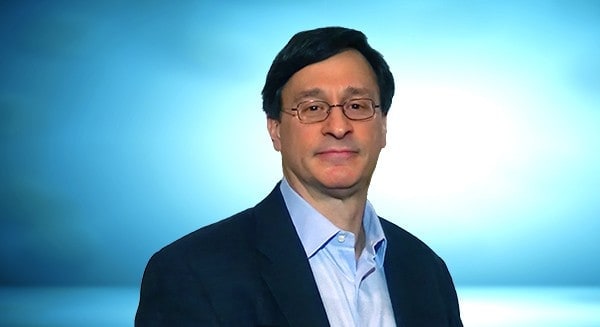
PT Referral Machine was designed by David Steinberg through years of direct collaboration with independently owned physical therapy practices, beginning in 2004.
That work focused on understanding where patient acquisition and referral efforts consistently break down—not in theory, but within the daily realities of practice operations, staff bandwidth, and capacity constraints. Over time, a clear pattern emerged: growth stalled not because practices lacked effort or intent, but because existing systems were not built to fit how practices actually run.
Those observations informed the design of PT Referral Machine as a system—not a campaign or collection of tactics, but an operating model that integrates structure, workflows, and support into the practice itself.
The result is a system engineered to hold under real‑world conditions, adapt as practices evolve, and produce predictable referral momentum without relying on constant oversight or unsustainable effort.